Black Seed Oil Benefits: What 35 Years Has Taught Us
From immunity and skin to respiratory health and beyond. A practical guide from the family who brought organic black seed oil to the UK.
A study published in Nutrients tested commercial black seed oils and found a 27-fold difference in thymoquinone content between the best and the worst.1 Same shelf. Same claims on the label. Completely different oil inside the bottle.
That is the reality of this market. And it is the reason we have spent 35 years doing things a very specific way.
We cold-press from organic Turkish Nigella sativa seeds. We bottle in amber glass, in small batches, by hand, in our London workshop. Your bottle is poured the same day you order it. The process has not changed since 1991 because it does not need to.
We were the first organic black seed oil producer in the UK. The first to encase black seed oil in amber glass. The first to publish analysis of our oil's compound profile and draw attention to thymoquinone long before it was widely understood. That was decades ago. The research has since caught up.
What follows is what we know. From 35 years of working with people directly and from the growing body of published science.
Thymoquinone
Most of what black seed oil does traces back to this single compound. Thymoquinone is the most abundant active constituent in the volatile oil of Nigella sativa. It has been the subject of hundreds of peer-reviewed studies and the research continues to accelerate.
A comprehensive review published in 2025 confirmed that thymoquinone demonstrates antioxidant, anti-inflammatory, immune-stimulating, antiviral and antibacterial effects across both experimental and clinical settings.2 That is an unusual breadth for any single natural compound.
The critical thing is preservation. Heat degrades thymoquinone. Chemical solvents strip it. Clear bottles and long shelf lives oxidise it. Cold-pressing from quality seeds, storing in sealed stainless steel, and bottling fresh into amber glass is how you keep it intact. It is not complicated. It just requires care and patience, which is why so few producers bother.
Immunity
This is where most people start, and it is probably the most well-documented area in the research.
Thymoquinone increases production of T helper cells, the white blood cells that coordinate your body's defence response. It disrupts bacterial biofilms. It has demonstrated activity against a range of pathogens including bacteria, viruses and fungi.3
One clinical trial found that adding black seed oil to standard antibiotic therapy cleared H. pylori in 88% of patients, compared to 55% on antibiotics alone.4
A separate 2024 meta-analysis of over 1,000 hospitalised COVID-19 patients reported significantly reduced mortality in the group receiving black seed oil.4
Most of the people who come to us use it preventatively. A teaspoon each morning, empty stomach, part of a daily routine. Some step it up during winter or when they feel something coming on. Simple habit. For most, an effective one.
Skin
We hear about skin more than almost anything else. Eczema, acne, psoriasis. People using it internally and applying it directly to affected areas, and noticing real changes within weeks.
Thymoquinone's anti-inflammatory and immunomodulatory properties calm overactive immune responses in the skin. Published research has demonstrated its relevance to atopic dermatitis specifically.5 Applied topically, it soothes irritation, reduces redness, and supports the skin's own repair.
Some customers use it as a daily face oil. Others apply it to specific patches during flare-ups. A few drops go a long way.
Breathing and respiratory health
Avicenna described Nigella sativa as a treatment for shortness of breath over a thousand years ago in his Canon of Medicine. That is not folklore. Modern research has confirmed bronchodilator and anti-inflammatory properties that support respiratory comfort and airway health.6
This is why we developed our peppermint and eucalyptus blend. Organic black seed oil combined with peppermint and eucalyptus, specifically for respiratory support during cold and flu season.

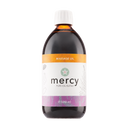
Black Seed, Peppermint and Eucalyptus Oil
Our number one recommendation for cold and flu season. Organic, cold-pressed, blended in London.
100ml · £15.00 | 500ml · £50.00
View productBlood sugar and metabolic health
A placebo-controlled trial in patients with type 2 diabetes found that Nigella sativa supplementation improved glycaemic control and reduced markers of oxidative stress.7 Other studies have reported reductions in total cholesterol, LDL and triglycerides with consistent daily use.
Promising findings, but they work best alongside a balanced diet and an active lifestyle. Black seed oil supports the work you are already doing. It does not replace it.
Inflammation and joints
For joint stiffness and ongoing discomfort, this is one of the benefits people report most consistently. It tends to build over time rather than arriving overnight, which is why regularity matters more than dose.
Thymoquinone reduces CRP and TNF-alpha, two key inflammatory markers, and inhibits COX-2 enzymes. That is the same pathway targeted by non-steroidal anti-inflammatories like ibuprofen.6
Digestion
Traditionally, black seed oil has been taken to soothe the gut. Its antimicrobial properties support a balanced intestinal environment. Its anti-inflammatory action eases discomfort. The clinical evidence around H. pylori clearance has added something measurable to what people have known from experience for a very long time.4
How to take it
The taste is strong. Earthy, peppery, slightly bitter. That bitterness is the thymoquinone doing its job. If the oil you are taking does not taste like much, question what is actually in it.
Too intense on its own? Stir it into honey, blend it through a smoothie, or mix it into warm water with lemon. Works just the same.
Adults: one teaspoon daily on an empty stomach, 30 minutes before food. For more intensive use, morning and evening.
Children under 10: half a teaspoon daily.
Infants from 3 months: a single drop.
A 100ml bottle lasts roughly three weeks at one teaspoon daily. The 500ml lasts around fourteen weeks.
What is in the bottle matters
Organic. Cold-pressed. Amber glass. Every bottle poured fresh to order, by hand, in our London workshop. The oil sits in sealed stainless steel until that moment. It has never been opened before it reaches you.
No pre-bottling. No warehousing. No middlemen. Small batches, hand bottled, the same since 1991.
There are more black seed oil brands on the market now than there have ever been. That is a good thing. But not all oil is equal, and the difference between a carefully made product and a mass-produced one is not subtle. You will taste it. And more importantly, you will feel it.

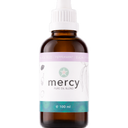
Organic Black Seed Oil
Our flagship product since 1991. Cold-pressed from organic Turkish Nigella sativa, bottled fresh into amber glass the day you order.
100ml · £13.50 | 500ml · £47.00 | 3 x 500ml · £110.00
View productNot sure where to start?
Everyone is different. Whether you are managing something specific or just curious about what black seed oil might do for you, we are happy to talk it through. Honest, no-pressure guidance from 35 years of doing this.
Monday to Friday, 9am to 5pm
Good health and wellbeing,
Mehmet
References
- Niederer LE et al. Screening of thymoquinone content in commercial Nigella sativa products. Nutrients. 2022;14(18):3785.
- Thymoquinone and therapeutic potentials: updated evidences from clinical trials. ScienceDirect. 2025.
- Forouzanfar F et al. Black cumin and its constituent thymoquinone: a review on antimicrobial effects. Iran J Basic Med Sci. 2014;17(12):929-938.
- Kow CS et al. Effect of Nigella sativa on mortality risk in COVID-19: systematic review and meta-analysis. 2024.
- Aslam H et al. Immunomodulatory effect of thymoquinone on atopic dermatitis. Mol Immunol. 2018;101:276-283.
- Badary OA et al. Thymoquinone: a promising natural compound with potential benefits for COVID-19. Drug Des Devel Ther. 2021;15:1819-1833.
- Kaatabi H et al. Nigella sativa improves glycemic control in type 2 diabetes mellitus. PLoS One. 2015;10(2):e0113486.
Everything we share, whether on this site or by phone, draws on our experience and knowledge built over 35 years. We believe in what we do, but we would always encourage you to speak with a healthcare professional if you are unsure whether our products are right for your individual circumstances.